

California Contractor Insurance: Coverage and Exclusions
Your insurance can cover damage caused by your work without paying to redo the work itself. California contractor insurance protects different parts of your business, but one policy won't cover every loss.
Coverage depends on your policy, endorsements, limits, and exclusions. We help you separate job-site liability, employee injuries, vehicle accidents, and bonding requirements so you can choose coverage that fits your work.
Start with what each policy handles, then look at the gaps.
Key Takeaways
- General liability typically covers covered third-party injury and property damage claims, not employee injuries or every construction defect.
- Workers' compensation, commercial auto, and tools coverage handle separate risks.
- Faulty workmanship, pollution, professional errors, and property in your control can fall outside standard liability coverage.
- A contractor license bond protects eligible claimants against certain licensing-law violations. You generally must reimburse the surety for paid claims.
- California requirements depend on your employees, license classifications, business structure, and current law.
The policy wording controls. A coverage name or certificate alone doesn't tell you whether a claim qualifies.
California Contractor Insurance Isn't One Policy
"Contractor insurance" is a broad name for several policies. You might buy general liability alone, or combine it with workers' compensation and commercial auto.
Each policy has a different job. General liability addresses certain claims against your business. Workers' compensation provides benefits for covered work-related employee injuries. Commercial auto addresses covered vehicle risks.
Other coverage may protect tools, equipment, construction materials, or professional services. These protections aren't automatically included because your policy says "contractor."
An endorsement changes the policy. It can add an insured, extend coverage, restrict a trade, or exclude certain projects. Two contractors with the same liability limit can have different protection.
Your named insured matters, too. The insured business should match the entity performing the work. Changing a sole proprietorship into an LLC can require new policies and filings.
We help you choose coverage around the work you perform, the people you employ, and the vehicles you use. That gives each risk a clear place.
What General Liability Covers
General liability typically addresses third-party bodily injury, property damage, and certain personal and advertising injury claims. Coverage requires the claim to meet the policy's terms.
Injuries and Property Damage
A customer injury or accidental damage to someone else's property may fall under general liability. Covered costs can include damages your business legally owes.
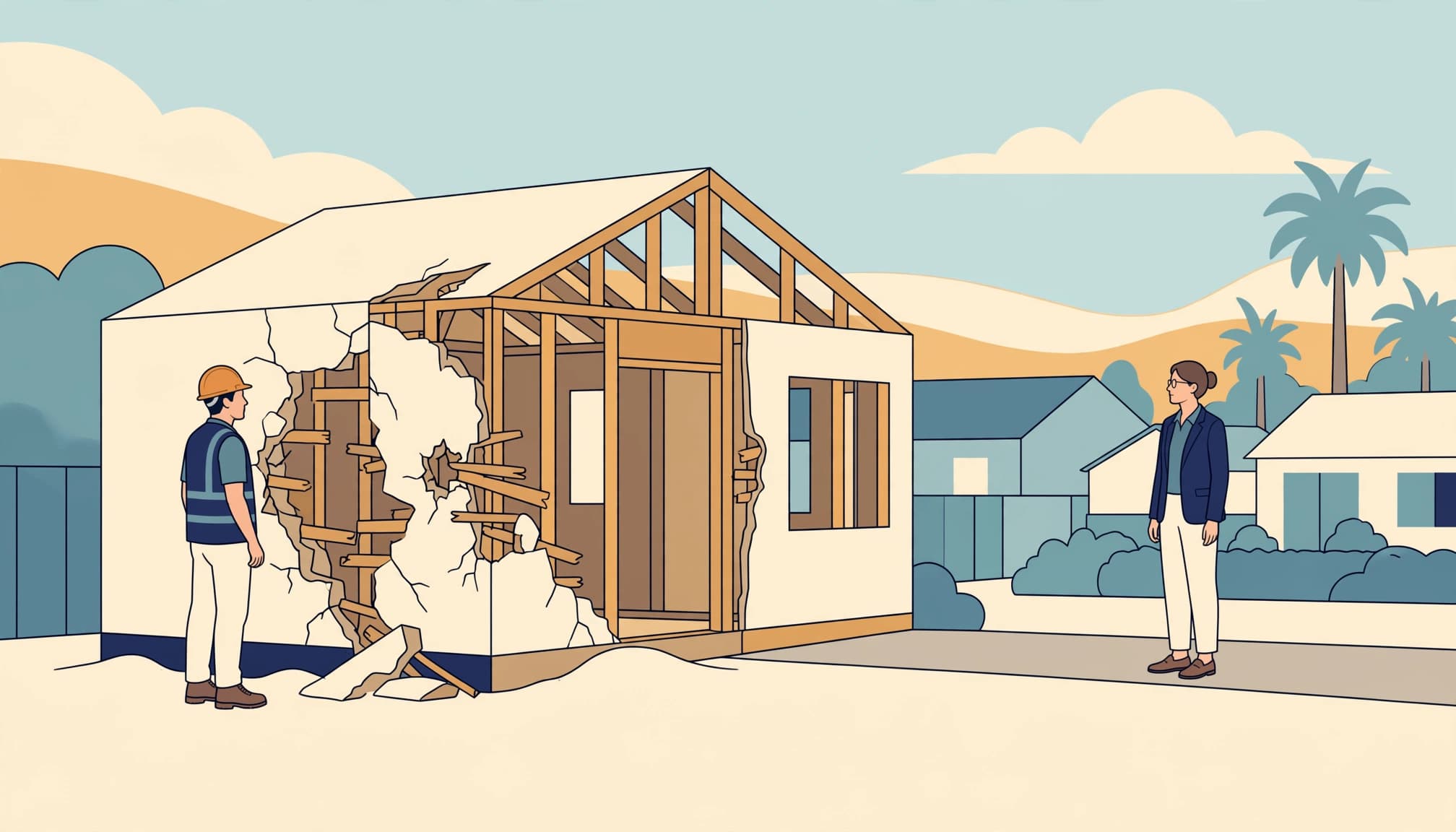
But property damage isn't one unrestricted category. Policies commonly limit damage to property you own, property in your care, and the part you're working on.
Our guide to contractor general liability coverage explains this protection in more detail. The important distinction is whose property was damaged and how the damage happened.
Defense and Completed Operations
General liability can also provide a legal defense against covered allegations. Whether defense expenses reduce your available limit depends on the policy.
Completed operations addresses certain injury or property damage claims arising after your work is finished. It doesn't guarantee payment for every defect discovered later.
Timing matters. Many liability policies use an occurrence form, which generally looks at when covered injury or damage occurred. Finishing the job before a policy expires doesn't automatically cover all future damage.
Maintaining coverage after completion helps address continuing exposure, subject to the policy terms.
Does Insurance Cover Faulty Work?
Usually, general liability doesn't pay simply because your work needs correction. It isn't a workmanship warranty.
The distinction between defective work and resulting damage can determine whether any part of a claim is covered.
Repairing Your Own Work
Removing and replacing defective installation can remain your responsibility. The same applies to work that fails to meet specifications without causing covered injury or property damage.
Policies contain exclusions commonly called "your work" and "your product." Other exclusions can apply while operations are underway.
Don't treat a liability limit as a budget for callbacks, rework, or unfinished obligations. Payment disputes, missed deadlines, and customer dissatisfaction don't automatically trigger coverage.
A claim demanding replacement of your work needs a different analysis than a claim involving damage beyond that work.
Damage Beyond the Defect
Resulting damage to other property may receive different treatment. Water damage to unrelated building components, for instance, raises different coverage questions than replacing defective installation alone.
Coverage still depends on the cause, timing, affected property, and exclusions. Some policies contain subcontractor exceptions to certain completed-work exclusions; endorsements can remove or narrow them.
A completed-operations provision can address resulting injury or damage while leaving the cost of correcting defective work uninsured.
That distinction helps you understand why a carrier may cover one portion of a claim and deny another.
Workers' Compensation Is Separate
General liability doesn't replace workers' compensation. Employee injuries belong under a different coverage system, with benefits established by California law.

What Employee Coverage Pays
Workers' compensation provides benefits for covered work-related injuries and illnesses, generally regardless of fault. Benefits can include medical treatment, temporary disability, permanent disability, and death benefits.
The coverage addresses your employee's injury, not damage to the customer's building or your equipment. Those losses need their own policy analysis.
Employers' liability coverage, typically included alongside workers' compensation, addresses certain employer liability claims subject to its terms. It doesn't make every employment-related lawsuit covered.
Our workers' compensation insurance options help you address employee injury exposure separately from customer liability.
Payroll and Worker Status
California employers generally need workers' compensation even with one employee. Calling someone a subcontractor or issuing a 1099 doesn't automatically make that person an independent contractor.
Owner and officer coverage also depends on eligibility, elections, and policy terms. A no-employee licensing exemption doesn't provide personal injury benefits for you.
Payroll, classifications, and uninsured subcontractor exposure can affect premiums and audits. Accurate descriptions of your crew and work help prevent avoidable billing surprises.
The CSLB's workers' compensation requirements govern the coverage evidence or eligible exemption needed for licensing.
What California Requires in 2026
Requirements depend on your circumstances. Having no employees doesn't always make you eligible for a workers' compensation exemption.
As of October 2026, contractors holding these classifications must carry workers' compensation even without employees: C-8 Concrete, C-20 HVAC, C-22 Asbestos Abatement, C-39 Roofing, and D-49 Tree Service.
Other eligible no-employee contractors may file the prescribed exemption. A license qualified by a Responsible Managing Employee cannot use that exemption.
The CSLB's workers' compensation exemption process is a licensing declaration, not an insurance policy. Hiring employees changes the basis for that declaration.
General liability isn't a universal CSLB licensing requirement. Licensed LLCs are an exception. They must carry liability insurance with a cumulative limit of at least $1 million for five or fewer personnel of record.
The requirement increases by $100,000 for each additional person, up to $5 million. These are personnel-of-record counts, not simply job-site crew counts, as explained in the CSLB's LLC insurance filing requirements.
Project owners and general contractors can require insurance beyond licensing rules. Contract requirements and state requirements are separate obligations.
California rules can change. We help you verify current CSLB requirements with your insurer or a qualified insurance professional as your business changes.
What Commercial Auto Covers
A work-truck accident generally belongs under commercial auto, not general liability. Standard general liability policies commonly exclude liability arising from vehicle ownership or use.
Commercial auto liability can cover covered bodily injury and property damage claims arising from insured vehicles. Physical damage protection for your vehicle requires applicable collision or comprehensive coverage.
Those coverages have separate deductibles, exclusions, and valuation terms. Buying auto liability alone doesn't protect your truck against every loss.
Personal vehicles used for business create another gap. Hired and non-owned auto liability may address certain rented vehicles or employee-owned vehicles used for work.
It doesn't automatically pay to repair an employee's own car. Nor does insuring a service van automatically insure the tools inside it.
We help you distinguish the vehicle, its business use, and the property it carries. Each can require different protection.
Are Tools and Materials Covered?
General liability usually doesn't insure your own tools against theft or damage. A stolen saw creates a property loss, not a third-party liability claim.
Contractor equipment or inland marine coverage can protect scheduled or eligible tools and equipment. Coverage may apply at job sites, in transit, or at storage locations, depending on the form.
Theft conditions matter. Policies may restrict unattended vehicles, require signs of forced entry, or apply separate limits to rented equipment.
Replacement cost and depreciated value also produce different claim payments. Your deductible reduces what you receive for a covered loss.
Building materials and work under construction may need builders risk or installation coverage. These policies can address specified physical losses before project completion.
They don't guarantee payment for faulty installation or every weather event. Flood, earthquake, theft, and testing provisions deserve separate attention.
Coverage follows the insured property and covered causes of loss.
Common Gaps and Exclusions
A large limit doesn't remove exclusions. Certain activities and losses need added protection or remain outside the policy altogether.
Pollution and Professional Errors
Standard general liability commonly excludes or restricts pollution claims. Asbestos, mold, contaminated soil, and other environmental exposures can require specialized coverage.
A pollution policy also has defined covered operations, conditions, and exclusions. Buying it doesn't remove every environmental restriction.
Design errors, engineering services, and other professional work may need professional liability coverage. Claims involving financial loss without covered bodily injury or property damage often require different treatment.
Project delays, liquidated damages, fraud, and intentional harm aren't automatically covered. Some losses remain your business responsibility even when you carry several policies.
Work and Property Restrictions
Policies can exclude roofing, residential construction, tract housing, exterior insulation systems, or work above stated heights. Restrictions vary by carrier and form.
A policy suited to interior remodeling may not fit structural work or a change in your trade.
Damage to property in your care, custody, or control can also be excluded. So can damage to the particular part of property you're working on.
Contractual liability has limits, too. Agreeing to broad indemnification in a contract doesn't guarantee your insurer will fund every obligation.
We help you describe your actual operations so coverage selection starts with the right work.
Limits, Endorsements, and Certificates
Your insurance certificate summarizes coverage. It doesn't create protection that the policy lacks.
The declarations, coverage forms, and endorsements establish what you've bought.
Limits and Your Share
A per-occurrence limit generally caps payment for a covered event. An aggregate limits payment for covered claims within the relevant policy period, subject to the form.
A $1 million limit isn't a promise that every claim receives $1 million. Exclusions, sublimits, deductibles, and available aggregate can reduce or eliminate payment.
Deductibles and self-insured retentions also work differently. A retention can require you to fund specified costs before the insurer's obligation begins.
An umbrella or excess policy may add limits above underlying coverage. It doesn't automatically repair every exclusion in the underlying policy.
Additional Insured Requirements
Naming a project owner as an additional insured requires the applicable policy language or endorsement. Listing that owner as a certificate holder alone isn't enough.
Ongoing-operations and completed-operations additional insured coverage address different exposures. A contract may require both.
Primary and noncontributory wording and a waiver of subrogation are separate provisions. They aren't automatically included with additional insured status.
Our explanation of insurance requirements in contractor agreements helps separate these documents and terms.
The payoff is simple: arrange the required protection before the project begins, rather than discovering a missing endorsement after a claim.
Insurance Versus a License Bond
A contractor license bond has a different purpose than insurance. It protects eligible claimants against certain violations of California contractor licensing law.

The standard California contractor license bond amount is $25,000, effective January 1, 2023, under Senate Bill 607. That's the bond's face amount, not your annual purchase price.
A bond doesn't provide a general liability defense or employee injury benefits. If the surety pays a valid claim, you generally must reimburse the surety under your indemnity agreement.
Bond claims have statutory eligibility and payment limits. The full face amount isn't available to every category of claimant.
LLC contractors also need a separate $100,000 employee/worker bond. That bond addresses specified wage and benefit obligations. It doesn't replace workers' compensation or the LLC liability insurance requirement.
Qualifying individual and disciplinary bonds may be required in additional circumstances. Performance and payment bonds serve project-specific purposes rather than general job-site insurance needs.
Our guide to California contractor license bonds explains the licensing protection. Keep the bond and insurance active, with business information matching CSLB records.
A bond lapse can suspend your license. Keeping insurance active doesn't cure a missing required bond.
Frequently Asked Questions
How Much Does Coverage Cost?
Our standard general liability coverage for most small contractors costs $40 to $130 per month. Your trade, revenue, claims history, limits, and endorsements affect the premium.
Workers' compensation and commercial auto are priced separately. A liability quote shouldn't be treated as the cost of your entire insurance program.
Compare covered operations and exclusions alongside price. A lower premium can reflect narrower protection.
What Does the License Bond Cost?
Our standard contractor license bonds cost $139 to $2,500 per year. Pricing depends on underwriting and the surety's assessment.
You pay the premium rather than depositing the $25,000 bond amount. Bond pricing and insurance pricing follow different underwriting factors.
Does My Subcontractor's Policy Protect Me?
Not automatically. Your subcontractor's policy primarily protects its insured business.
Additional insured coverage may extend protection to you when the endorsement applies. The work performed, claim allegations, and policy exclusions still matter.
A certificate showing your name doesn't establish that protection by itself.
What Happens After a Claim?
Report the claim promptly under the policy's reporting terms. Preserve photographs, contracts, correspondence, and incident details.
The insurer assesses coverage and any defense obligation. An adjuster's review determines how the policy applies to the reported loss.
Don't assume a payment demand is covered simply because you have an active certificate.
Get Coverage Matched to Your Work
The right protection separates customer claims, employee injuries, vehicles, and licensing obligations. Coverage details matter as much as the limit printed on your certificate.
We help you choose general liability, workers' compensation, commercial auto, and required bonds around your operations. Get quote today and give our team your trade, crew details, and project requirements.
This is general information, not individualized legal or insurance advice. Your policy and applicable California law determine coverage and obligations.