

The Essential Guide to Insurance Commercial General Liability Coverage
Core Coverage Components
Building on this foundational understanding, standard CGL policies issued through Insurance Services Office (ISO) forms contain three distinct coverage sections. Each addresses different categories of liability exposure your business faces during operations.
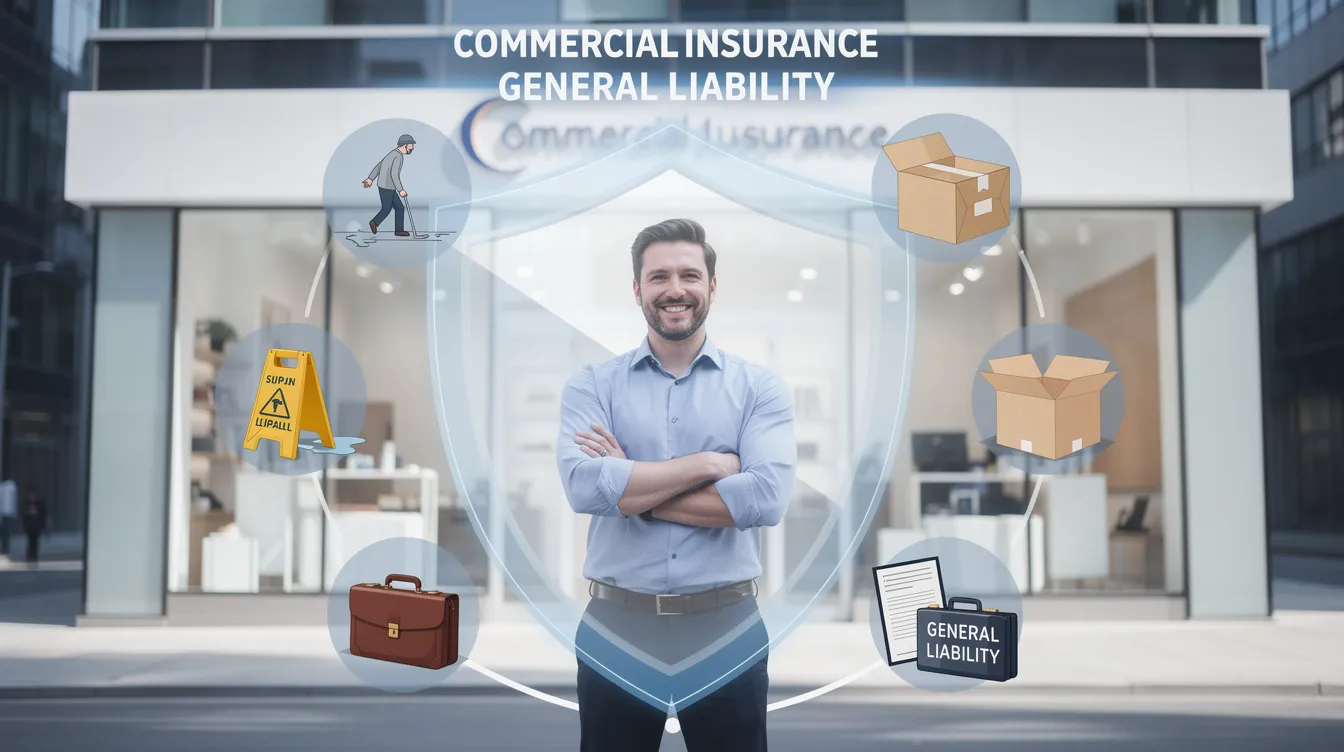
Commercial general liability insurance (CGL) typically includes three main coverages: Coverage A for bodily injury and property damage, Coverage B for personal and advertising injury, and Coverage C for medical payments.
Coverage A: Bodily Injury and Property Damage
Coverage A protects against claims when your business operations, products, or premises cause physical harm to people or damage to property, including incidents that occur at a job site. Bodily injury coverage responds when a customer slips and falls in your store, a visitor is injured by your equipment, or someone sustains harm from a product you manufactured or sold. This section covers medical expenses, lost wages, pain and suffering, and other damages the injured party claims.
Property damage protection addresses situations where your operations damage someone else's property, such as client equipment, facilities, or belongings—whether at your premises or a job site. For instance, if a contractor’s work causes water damage to a customer’s building, or your delivery driver damages a client’s loading dock, this coverage applies. Most small businesses start with a $1 million per-occurrence limit and a $2 million general aggregate limit for general liability insurance, which is considered standard coverage. Higher-risk industries like construction may require elevated limits based on contract requirements or risk exposure, often combining builder’s risk and general liability coverage to fully protect projects and assets.
Coverage B: Personal and Advertising Injury
Coverage B protects against non-physical torts arising from your business activities and advertising. This general liability coverage addresses claims of libel, slander, false arrest, wrongful eviction, violation of privacy rights, and misappropriation of advertising ideas. When a competitor alleges your marketing campaign infringed their trademark or a customer claims defamation from your social media post, this coverage responds.
The advertising injury component has gained significance as businesses expand digital marketing presence. Courts have interpreted “advertisement” broadly to include website content, social media posts, and online promotional materials. In the Willowood USA case, the Ninth Circuit held that trademark misuse allegations in advertising triggered the duty to defend under Coverage B, illustrating how this protection extends to intellectual property disputes arising from marketing activities. Recent class actions involving “greenwashing” and misleading sustainability claims are testing Coverage B limits, making this protection increasingly relevant for modern business operations.
Coverage C: Medical Payments
Medical payments coverage operates on a no-fault basis, paying small medical costs for injuries occurring on your business premises regardless of legal liability. This coverage typically provides $5,000 to $10,000 per person for immediate medical treatment—covering initial doctor visits, emergency care, and diagnostic costs without requiring the injured party to prove your negligence.
The strategic value of this coverage extends beyond the modest limits. By providing quick remedy for minor injuries, medical payments coverage reduces the likelihood that small incidents escalate into formal liability claims and litigation. When combined with Coverage A and Coverage B, these three components create comprehensive protection against the primary liability exposures most businesses face. Understanding what your policy covers leads naturally to examining how you acquire and structure this protection.
Policy Purchasing and Implementation
With a clear understanding of coverage components, selecting the right acquisition method ensures your general liability business insurance matches your operational needs and budget constraints. When considering a business owner’s policy (BOP), remember that it typically bundles general liability with commercial property insurance. Business property coverage within a BOP protects your physical assets—such as buildings, equipment, furniture, fixtures, and inventory—that your business owns, leases, or rents, making it an essential part of a comprehensive business owner’s policy to safeguard against risks like damage or theft.
Standalone vs. Bundled Policies
Standalone CGL Policy: Best suited for service businesses with minimal property exposure, a standalone commercial general liability policy provides focused liability coverage without additional components. Consultants, freelancers, and businesses operating from client sites often find standalone policies sufficient. Typical costs range from $400 to $1,500 annually depending on industry classification and risk exposure.
Business Owners Policy (BOP): Small business owners with physical premises benefit from bundling CGL with commercial property insurance through a BOP. This business insurance policy combines general liability coverage with property protection, often including business interruption insurance, at costs typically 15-25% lower than purchasing coverages separately. Industry data shows BOP costs averaging around $684 annually versus $504 for standalone general liability insurance.
Commercial Package Policy (CPP): Larger businesses with complex exposures customize coverage through CPPs, combining liability, auto, crime, and other lines in a single package. This approach suits operations requiring policy limits above standard offerings or needing specialized endorsements for specific business activities.
Umbrella Insurance: When contractual requirements or business risk demand higher liability limits, umbrella policies provide additional coverage above standard CGL per-occurrence and aggregate limits. A $1 million umbrella might cost $500-$1,000 annually while providing catastrophic claim protection that could otherwise devastate business assets, especially for contractors who rely on general liability insurance in California to meet licensing and client requirements.
Coverage Comparison Analysis
Common Challenges and Solutions
Determining Adequate Coverage Limits
Many businesses struggle to identify appropriate policy limits, risking either underinsurance or overpaying for excessive coverage. Solution: Conduct a risk assessment considering your industry standards, contractual requirements from clients and landlords, and total business assets requiring protection. Most businesses start with $1 million per occurrence and $2 million aggregate limits—the industry standard that satisfies most commercial lease and contract requirements. High-risk industries like construction or businesses with significant third party claims exposure may need higher limits supplemented by umbrella coverage.
Understanding Policy Exclusions
Commercial general liability policy exclusions create dangerous gaps for businesses assuming comprehensive protection. Standard CGL excludes professional services (professional negligence, errors and omissions), pollution liability, auto-related incidents, intentional acts, and cyber risks. Liquor liability is also not included in standard CGL policies; businesses that serve or sell alcohol should consider purchasing liquor liability insurance to protect against injuries, property damage, and legal costs caused by intoxicated customers. For small trades businesses, understanding handyman liability insurance requirements in California is equally important to stay compliant and protected. Solution: Review policy exclusions with your insurance agent and identify where additional insurance is necessary. Healthcare professionals and real estate agents need professional liability coverage. Businesses handling hazardous materials may require pollution liability endorsements. Companies collecting customer data should purchase additional insurance for cyber exposures. Work with your agent to ensure your total insurance coverage addresses all significant business activities.
Managing Premium Costs
Premium costs vary depending on multiple factors, and many businesses overpay without exploring cost reduction strategies. Solution: Implement documented safety programs and maintain a claims-free history to demonstrate lower risk exposure. Compare quotes from at least three insurance companies annually during renewal periods. Consider higher deductibles to reduce premiums if your business can absorb initial claim costs. Bundling policies (BOP or CPP) typically reduces total insurance cost below separate policy purchases. Paying annually rather than monthly often provides additional savings. Contractors can also optimize budgets by coordinating workers’ compensation insurance for contractors with general liability and bonds through a single broker. These practices can reduce liability insurance cost by 10-30% while maintaining appropriate protection.