
Understanding Builder Risk Insurance Coverage for Your Projects
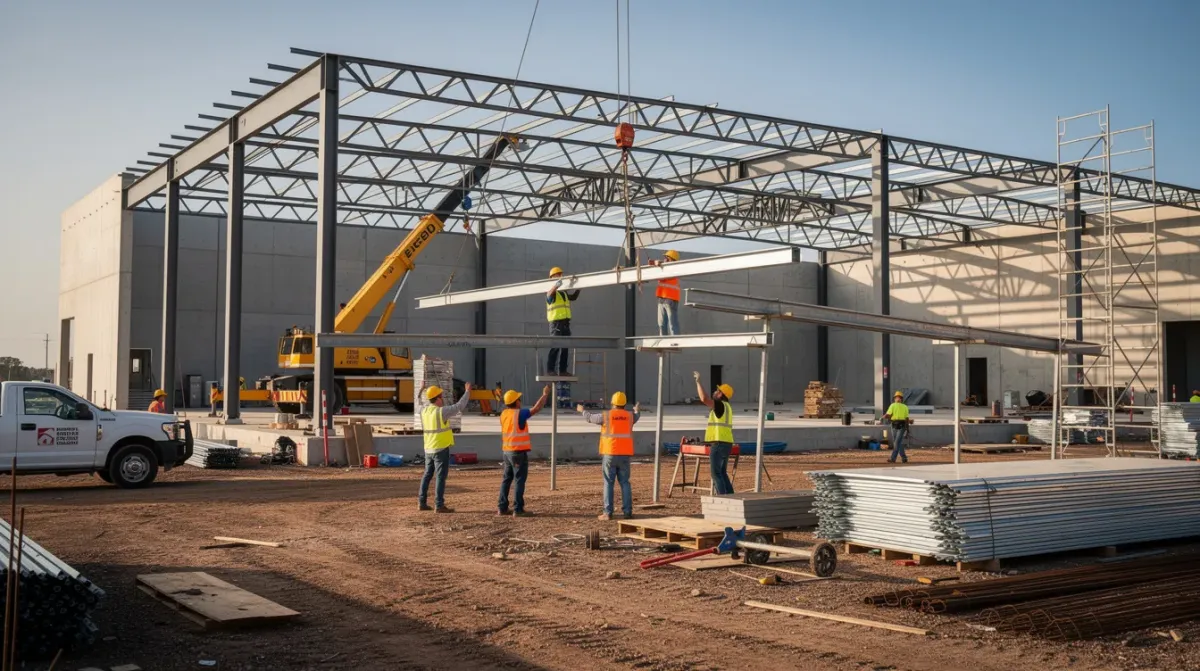
When you’re building a custom home, renovating a commercial space, or expanding a warehouse, your investment faces a gauntlet of hazards before the final nail is driven. Builder risk insurance coverage—also called builder’s risk or course of construction insurance—exists to protect that investment during the vulnerable construction phase.
Builder’s risk insurance covers buildings, materials, and certain soft costs against physical loss during construction, typically from causes like fire, theft, vandalism, and some weather events. Think of it as a temporary shield that helps protect buildings and related property from the moment ground is broken until a permanent property insurance policy can take effect.
Consider a 2023 residential infill project in a suburban neighborhood. A fire sparked by welding operations damaged framing and roofing materials. The builder’s risk policy responded by covering repair costs exceeding $250,000, including temporary shoring and material replacement. The project resumed within weeks without derailing the timeline or budget.
This coverage fills the gap between land purchase or initial site preparation and when a standard homeowners insurance or commercial property policy can fully take over. Without it, a fire, theft of construction materials, or storm could leave a property owner or general contractor shouldering massive out-of-pocket losses.
Key Takeaways
Builder risk insurance is temporary property insurance for the construction process.
It applies to new construction, gut rehabs, and major additions.
Coverage generally protects the structure, materials, and sometimes delay-related costs.
It bridges the period before permanent property insurance can begin.
What Is Builder’s Risk Insurance? (Definition & Coverage Overview)
Builder’s risk insurance—also known as course of construction insurance—is a specialized property insurance policy designed for properties that are under construction or undergoing significant renovations. It helps protect buildings under construction from property damage and can provide meaningful property damage protection and liability protection during the most vulnerable phase of a project.
What does builder’s risk insurance cover?
Property damage due to fire, explosions, theft, and vandalism.
Materials, fixtures, and equipment that are to be permanently installed during construction or renovation projects.
Policies usually provide all-risks coverage, meaning they cover property damage caused by anything except what is specifically excluded.
What does builder’s risk insurance NOT cover?
Damage to land, trees, or landscaping.
The construction company’s tools and equipment.
Builder’s risk insurance is not a substitute for general liability or equipment insurance. It is a temporary policy that bridges the gap until permanent property insurance can take effect.
Builder’s Risk Insurance at a Glance
Definition:
Builder’s risk insurance (also called course of construction insurance) is a temporary property insurance policy designed to help protect buildings under construction or significant renovation from property damage.What it covers:
Property damage due to fire, explosions, theft, and vandalism
Materials, fixtures, and equipment to be permanently installed
All-risks coverage (covers most causes of property damage unless specifically excluded)
What it does NOT cover:
Damage to land, trees, or landscaping
The construction company’s tools and equipment
Who needs it:
Anyone with a financial stake in a construction or renovation project, including property owners, developers, contractors, and lenders.
Who Needs Builder Risk Insurance Coverage?
Anyone with a financial interest or financial stake in a construction project may need builder’s risk coverage. This includes property owners, developers, general contractors, construction managers, and sometimes lenders or investors who want their collateral protected.
The “named insured” is typically dictated by the construction contract. AIA contracts and similar agreements often specify whether the property owner or the general contractor must purchase builder’s risk insurance. Additional insureds frequently include subcontractors, trade contractors, architects, and engineers when required by contract, so multiple parties benefit from one builder’s risk policy.
Typical buyers and their interests:
Homeowner building a custom home (2026): Lender requires coverage equal to the construction loan amount to protect their collateral.
Commercial developer renovating a historic office building: Names both themselves and the GC to cover $15 million in potential soft costs from delays.
City government building a public library: Mandates builder’s risk through bid specifications to mitigate taxpayer exposure.
General contractor on a speculative build: Protects their labor costs and materials investment.
Lenders and investors: Impose minimum limits and specific endorsements as loan conditions.
What Does Builder Risk Insurance Typically Cover?
Builder’s risk coverage is customizable, but most builder’s risk insurance policies share core protections for property under construction.
Primary Covered Property
Building or structure under construction (foundations, framing, fixtures, wiring, plumbing)
Permanently installed materials and equipment
Construction materials on the job site
Materials in transit within a defined distance (often 100-250 miles)
Materials in temporary off-site storage locations
Common Covered Causes of Loss
Fire
Lightning
Explosion
Theft of building materials (not employee theft)
Vandalism and malicious mischief
Vehicle collisions and aircraft impact
Some wind and hail events
Accidental water discharge from sprinklers
Additional Coverage Options
Soft costs coverage for additional interest on loans, lost rental income, advertising to re-lease, architectural redesign fees, and permit reissuance caused by a covered delay
Temporary structures such as scaffolding, fencing, and construction forms (if scheduled or included in policy provisions)
Debris removal and pollutant cleanup
Hot testing for mechanical systems
Example claim:
In 2024, stolen copper wiring from a Texas multifamily build triggered a policy response covering $180,000 in replacement materials, $50,000 in debris removal, and $75,000 in soft costs for a two-week delay. The project resumed without lender default.
Common Exclusions and Limitations in Builder Risk Coverage
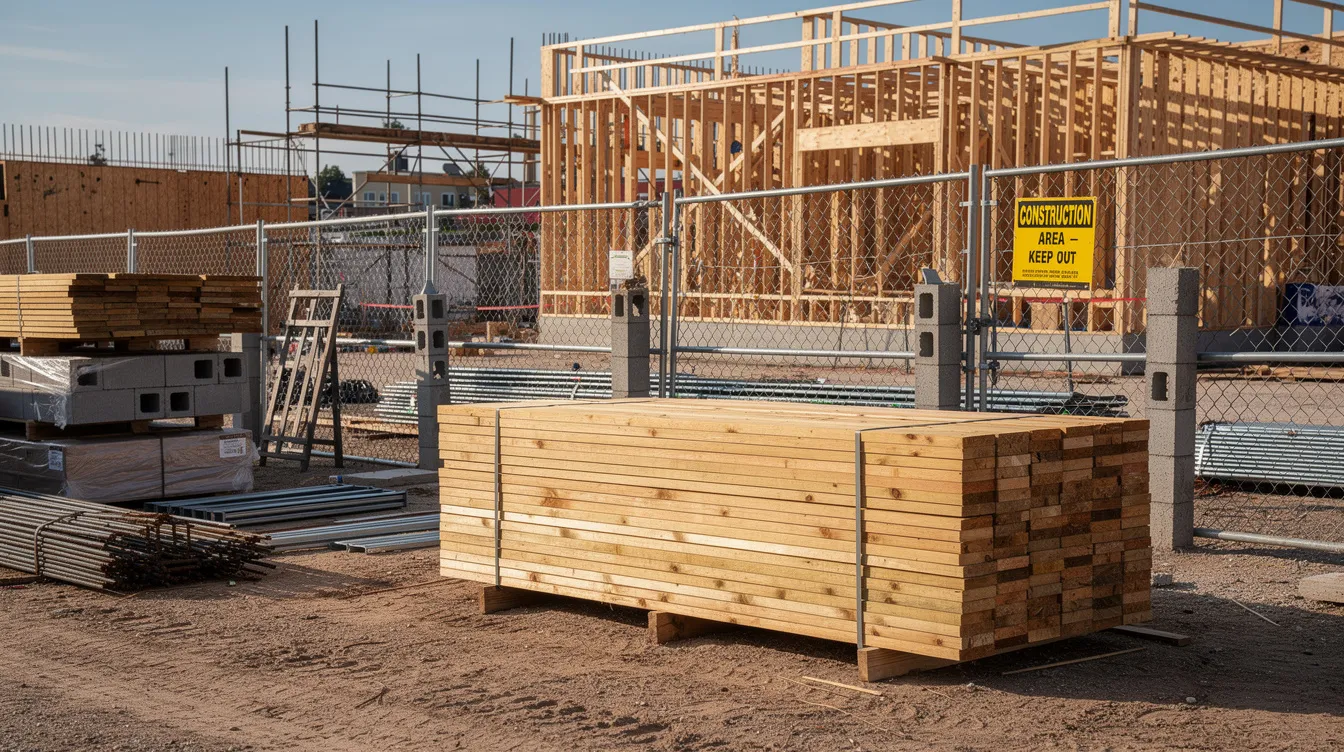
Exclusions vary by insurer and form policy, so reading the actual contract is essential before any loss occurs. Understanding common exclusions prevents unpleasant surprises when a claim arises.
Frequently Excluded Causes
Flood, earthquake, and earth movement (require separate endorsements or policies, such as NFIP for flood)
Named storms and certain windstorm losses (often excluded in coastal zones unless endorsed, sometimes with 2-5% deductibles)
Wear and tear, rust, corrosion, mold (gradual deterioration isn’t sudden physical loss)
Mechanical and electrical breakdown (requires separate equipment coverage)
Standard Policy Exclusions
Faulty design, defective materials, poor workmanship (however, ensuing loss coverage may cover secondary damage to sound property resulting from these defects)
Land, trees, shrubs, landscaping (uncovered unless specially scheduled)
Underground pipes, roads, bridges (typically excluded)
Employee theft and dishonest acts (requires fidelity coverage)
Intentional damage, war, terrorism (may require separate coverage)
Contractor’s own tools and equipment (need inland marine or equipment floater policies)
Real project impact:
A 2025 Midwest warehouse expansion suffered earth movement cracking foundations. Without an endorsement, the $2 million claim was denied, forcing self-funding and delaying occupancy by months.
Types of Projects and Policies Eligible for Builder Risk Coverage
Carriers differentiate among new construction, major renovation projects, remodeling, and installation-only projects (such as installing HVAC systems or solar arrays in existing buildings). Each may have distinct applications and underwriting requirements.
Eligibility and Project Type Considerations
Small programs: Projects up to $5 million completed value for residential and light commercial
Manuscripted policies: Projects greater than $50 million requiring custom terms
Reporting form policy: For developers with multiple projects, updating values as builds progress
Blanket installation policy: Covers equipment installations across multiple locations
Examples of Eligible Projects
Townhome developments started in 2024
Conversion of an old factory into lofts (renovation project)
Construction of a medical office building
Installation of high-value equipment in a data center
Timing and Underwriting
Most insurers prefer binding coverage before work begins or before the project is more than 20-30% complete
Late-start risk insurance policies may be available with inspection and underwriting review
High-hazard occupancies (combustible processes, repeated catastrophe sites) face surcharges or declinations
Product availability varies by location, especially in catastrophe-prone zones
What Does Builder Risk Insurance Cost?
Builder’s risk insurance cost is driven primarily by total construction budget, construction type, protection class, project duration, and location. Premiums typically range from 1% to 5% of the total cost of the completed structure.
Pricing Factors
Total completed value (the foundation of premium calculation)
Construction type (wood-frame costs more than steel)
Location (coastal zones run 2-3x higher than inland sites)
Project timeline (12-month builds versus 18-24-month projects; longer = 20-50% higher)
Contractor claims history (past losses increase rates)
Site security (24/7 fencing, lighting, and surveillance can reduce premiums 10-15%)
Concrete Illustrations
A $400,000 single-family new build in 2026 might see annual premiums of $4,000-$20,000 depending on location and risk factors.
A $20 million mid-rise in a coastal city could exceed $1 million with wind or flood endorsements.
Soft cost and delay endorsements, catastrophe perils, and broad protection options can materially increase insurance costs but may be critical for lender or investor requirements. To obtain accurate quotes, prepare detailed budgets, Gantt schedules, construction specs, and site photos.

How Builder Risk Coverage Works in Practice
The typical lifecycle of a builder’s risk policy follows a predictable path: application submission with plans and contracts, underwriting review (1-7 days), binding upon premium payment, mid-project endorsements for change orders, and policy expiration at completion or occupancy.
When Coverage Begins
Coverage commonly starts once construction begins or when materials are first delivered to the construction site, subject to the policy’s specific start provisions.
When Coverage Ends
Coverage terminates at the earliest of:
Project completion
First occupancy
Issuance of a certificate of occupancy
A predetermined date (e.g., 30 or 60 days after substantial completion)
The Claims Process
Document the loss immediately with photos and invoices.
Notify the carrier promptly (usually within 24-72 hours).
Cooperate with the adjuster’s investigation.
Track extra expenses tied to the covered cause of loss.
Submit proof of loss documentation.
Example claim scenario:
In early 2025, a storm damages roof trusses on a partially built home. The builder photographs damage, secures the site, and notifies the insurer the same day. An adjuster inspects within 48 hours. After submitting invoices for replacement trusses and labor costs, the $150,000 claim is paid within 30 days. Construction resumes without financing disruption.
Choosing the Right Builder Risk Insurance Policy and Insurer
Selecting the right risk policy and carrier requires more than comparing premiums. The wrong policy can leave gaps that surface only when a loss occurs.
What to Evaluate
Financial strength (look for insurers with A.M. Best A+ ratings)
Construction expertise (carriers like Zurich and Liberty Mutual specialize in construction insurance and inland marine)
Claims reputation (average settlement times under 90 days indicate fair handling)
Broker experience (work with agents who regularly place builder’s risk and understand project delivery methods such as design-bid-build, design-build, CM at risk)
Policy Features to Compare
Covered causes of loss (named perils vs. special/all-risk coverage for different risks and unique risks)
Sublimits for debris removal, scaffolding, temporary structures
Soft costs and delay coverage limits
Code upgrade coverage for unexpected events requiring compliance updates
Whether the policy is a one shot project-specific form or reporting form
Before Binding
Request and review specimen policy forms and endorsements
Verify coordination with general liability, contractor’s equipment, and eventual property or homeowners insurance
On projects greater than $50 million, involve legal or risk management advisers
Confirm how additional interest holders (lenders) will be documented
Coordinating Builder Risk with Other Coverages
Builder’s risk complements but does not replace general liability, workers’ compensation, professional liability, or homeowners insurance. Each serves a distinct purpose in protecting the construction industry stakeholders.
The boundary is clear: builder’s risk covers property damage to the project itself, while general liability addresses third-party bodily injury and property damage from operations at the construction site. Workers’ compensation handles employee injuries. Professional liability covers design errors by architects and engineers.
Homeowners policies often limit or exclude coverage for major construction on vacant or partially occupied dwellings due to increased hazards. A builder’s risk policy addresses that gap directly, providing tailored protection until the home is complete and occupied.
Lender requirements typically mandate builder’s risk plus evidence of liability coverage. Loan documents may specify minimum limits, named insureds, and required endorsements. Banks want assurance that their collateral—the unfinished structure—won’t become worthless from natural disasters or other unexpected events before the construction loan is repaid.
Complementary Policies
General liability: Third-party claims from job site operations
Workers’ compensation: Employee injuries
Contractor’s equipment floater: Tools, machinery, mobile equipment
Professional liability: Design errors and omissions
Permanent property insurance: Takes over upon completion and occupancy
Key Takeaways on Builder Risk Insurance Coverage
Builder’s risk insurance cover protects buildings, materials, and soft costs during the construction process against physical loss from covered perils.
Anyone with a financial stake—property owners, developers, general contractors, lenders—may need coverage.
Coverage starts at construction commencement and ends at occupancy or a policy-specified date.
Major common exclusions include flood, earthquake, faulty workmanship, and employee theft (unless endorsed or separately covered).
Risk insurance cost typically runs 1-5% of total completed value, varying by location, duration, and project size.
Policies are highly customizable—careful review of forms, endorsements, and exclusions is critical before construction begins.
Next step: Consult with an experienced insurance professional early in the planning stage of any 2025-2026 construction or renovation project. Request specimen forms, compare quotes with detailed project information, and ensure your coverage coordinates seamlessly with liability and equipment policies before the first materials arrive on site.