

What Is an Installation Floater for Construction Projects?
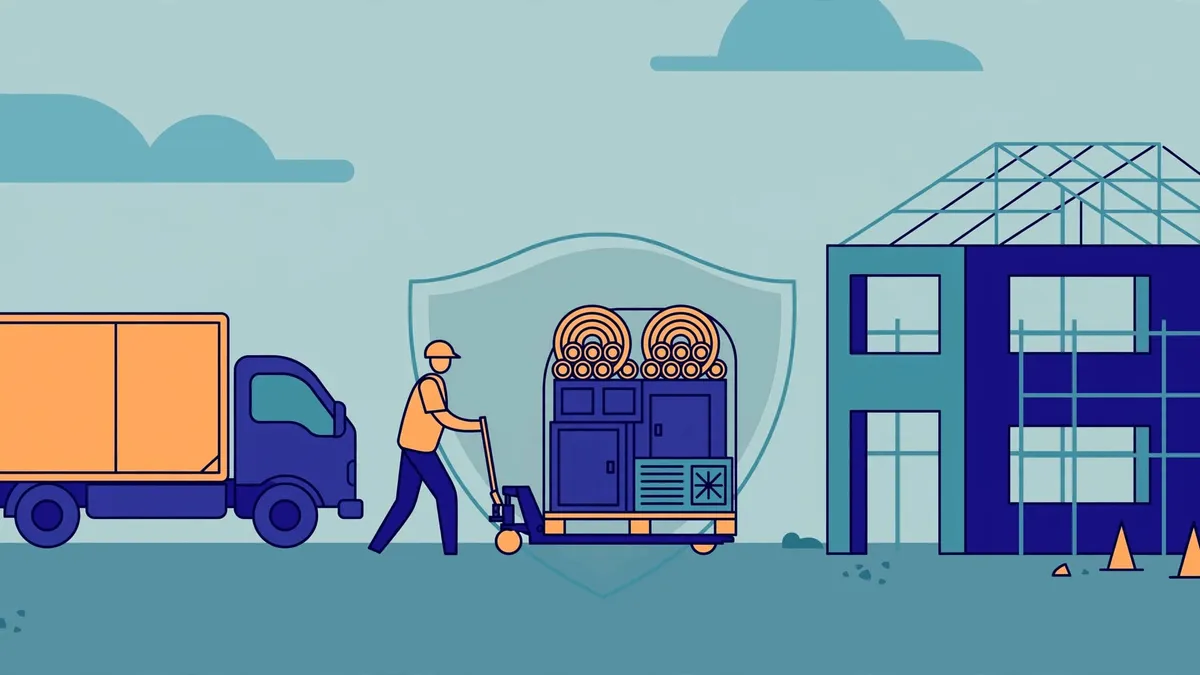
Installation floater insurance generally protects eligible materials and equipment intended for permanent installation after they leave your shop or supplier. Depending on the policy, protection may apply in transit, during temporary storage, and while items are being installed, subject to its terms and ending provisions.
It can fill a property coverage gap that leaves contractors paying for stolen or damaged materials themselves. Exact coverage depends on policy limits and provisions that end protection.
Start by considering what you're installing, where it will travel, and how much you could lose on your construction project.
Key Takeaways
- An installation floater provides property coverage for covered materials against physical loss or damage, subject to policy terms.
- Limits and deductibles may vary for transit and storage.
- Builder's risk and this protection can work together. Neither replaces general liability, workers' compensation, or insurance for your tools.
The main question is simple: Who pays if your goods are damaged before the owner accepts your work? Your contract and insurance policies should provide a clear answer before delivery.
What an Installation Floater Does
Installation floater insurance is an inland marine form of property insurance for property that moves. Despite the name, inland marine coverage commonly protects property transported over land or used away from your business premises.
The word "floater" describes how an installation floater protects eligible property at covered locations rather than tying it to one address.
Standard business personal property insurance usually stops once materials leave your listed premises, apart from limited off-premises extensions. Those extensions may not provide enough protection for a valuable delivery or weeks of storage.
An installation policy addresses that exposure. Travelers describes installation coverage as protection against direct physical loss or damage to materials installed by contractors.
This is property insurance, not liability insurance. It responds to direct physical loss to covered installation property, not lawsuits alleging injury or damage to someone else's property.
Our guide to general liability insurance for contractors explains that separate protection.
Which Materials Are Covered?
Property Going Into the Project
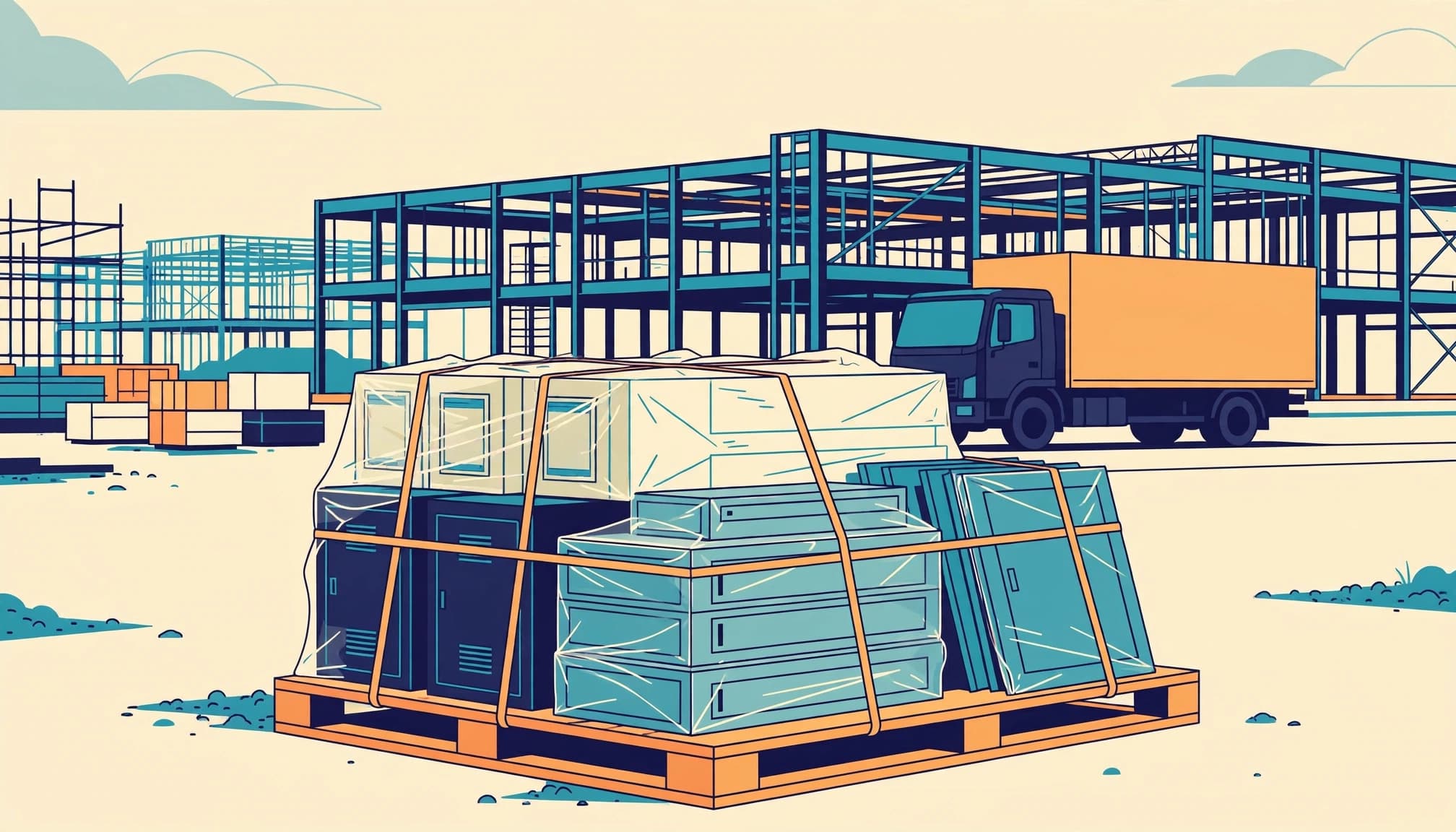
Covered property commonly includes HVAC units, electrical switchgear, plumbing fixtures, cabinets, flooring, glass, and other materials intended to become part of a building.
The policy's definition of eligible property determines which materials qualify. It may include materials you own, property you're responsible for under contract, or both. Owner-furnished equipment needs attention because you may assume responsibility after receiving it.
Used or refurbished materials typically must be declared. Different valuation provisions or restrictions may apply, so include their age and condition in the application.
Equipment You Keep Using
Your ladders, drills, forklifts, and other reusable equipment generally aren't materials that become part of the project. They're equipment your business keeps using after the project ends.
Tools and contractor-owned machinery usually need separate scheduling or a contractor's equipment floater. The same distinction applies to rented or leased equipment.
Our contractor tools and equipment coverage guide explains how those assets fit into a broader insurance program. A policy protecting the unit you're installing doesn't automatically protect the machinery you use to install it.
Covered Losses and Common Exclusions
Commonly Covered Damage
Installation floater coverage commonly includes damage caused by fire, theft, explosions, vandalism, transit accidents, and some water events.
Water damage wording matters. Accidental discharge may qualify, while flooding, groundwater, or gradual leakage may appear among the exclusions.
Some policies cover only listed causes of loss, known as named-peril forms. Others cover direct physical loss unless excluded, a form known as open-peril insurance. Direct physical loss doesn't mean every cause is insured, and neither form guarantees coverage for every accident.
Theft protection can depend on security requirements, storage arrangements, and other policy conditions. A high limit won't override exclusions or an unmet requirement.
Losses Commonly Left Out
Most installation policies exclude damage during air transit, waterborne transit, or work on materials underground. Flood and earthquake are common exclusions unless added by endorsement or covered through another policy.
Faulty-workmanship repair costs and normal wear and tear are commonly excluded. Damage to otherwise sound property caused by faulty work may receive different treatment, depending on the policy wording.
That distinction matters when an installation error damages equipment. Repairing defective work and replacing property damaged by that error involve separate coverage questions.
A covered water loss doesn't mean every kind of water damage is covered. Flooding may still fall outside the policy.
When Coverage Starts and Ends
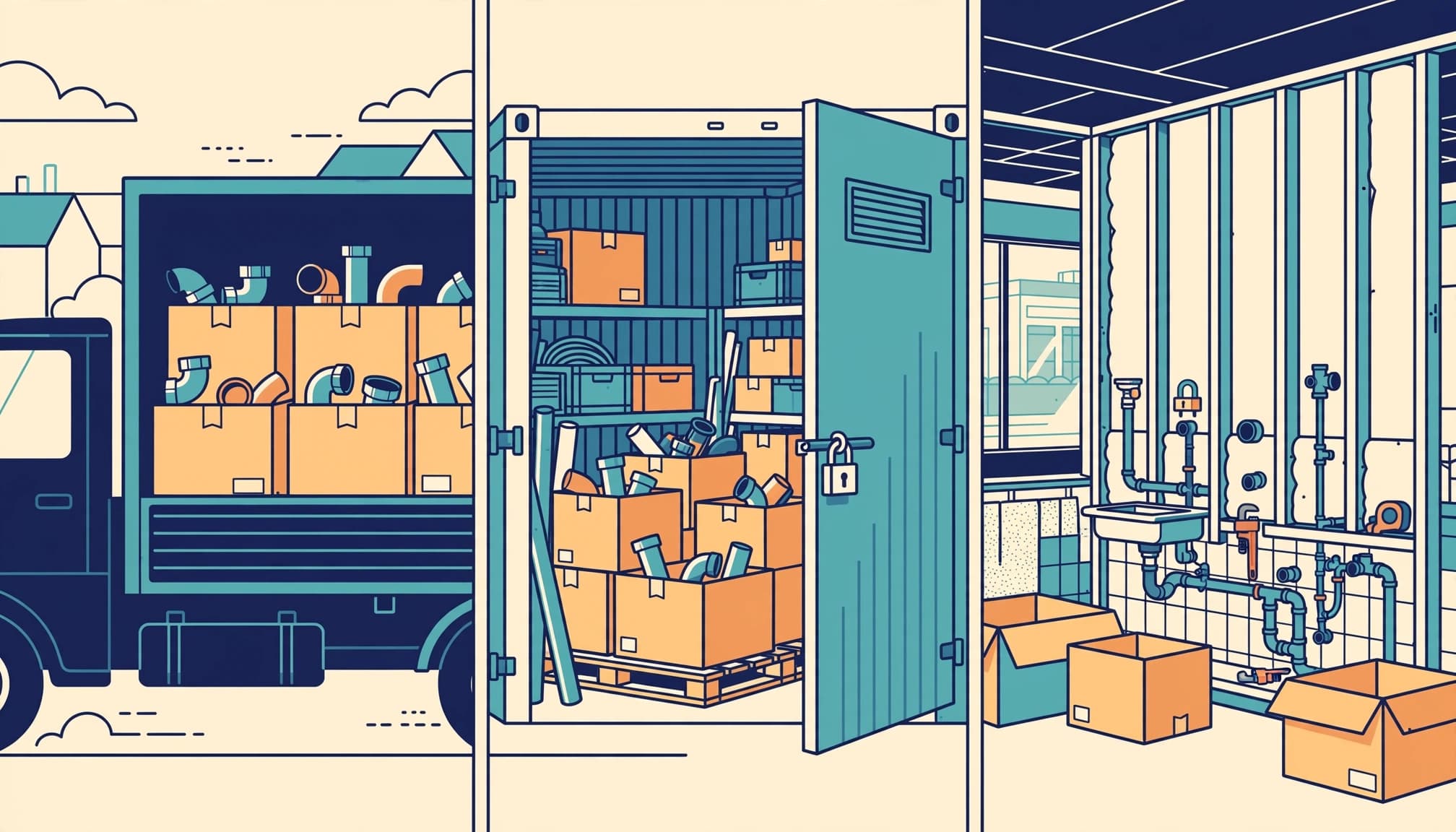
Your policy's stated start trigger controls, but protection often begins once eligible property leaves your shop or supplier. The policy may protect materials in transit, during temporary storage, delivery, and installation.
Materials kept at a warehouse, fabrication shop, staging yard, or job site during temporary storage may face separate limits or location requirements.
Coverage typically ends when installation is complete and the work is accepted. Some forms end coverage upon permanent installation, completion, intended use, or another stated event.
Delivery alone doesn't necessarily end protection. Acceptance isn't automatically the endpoint under every policy.
For electrical, plumbing, and HVAC contractors, a gap can arise between installation and system startup. Equipment may be in place before energizing, pressure testing, or commissioning begins.
Review the actual start and termination provisions with your insurance professional. The policy should match the period when your contract leaves you responsible for the property.
Keep delivery records, installation dates, testing records, and acceptance documents. They help establish where the materials were and which party was responsible when damage occurred.
Installation Floater vs. Builder's Risk
Your Trade's Materials
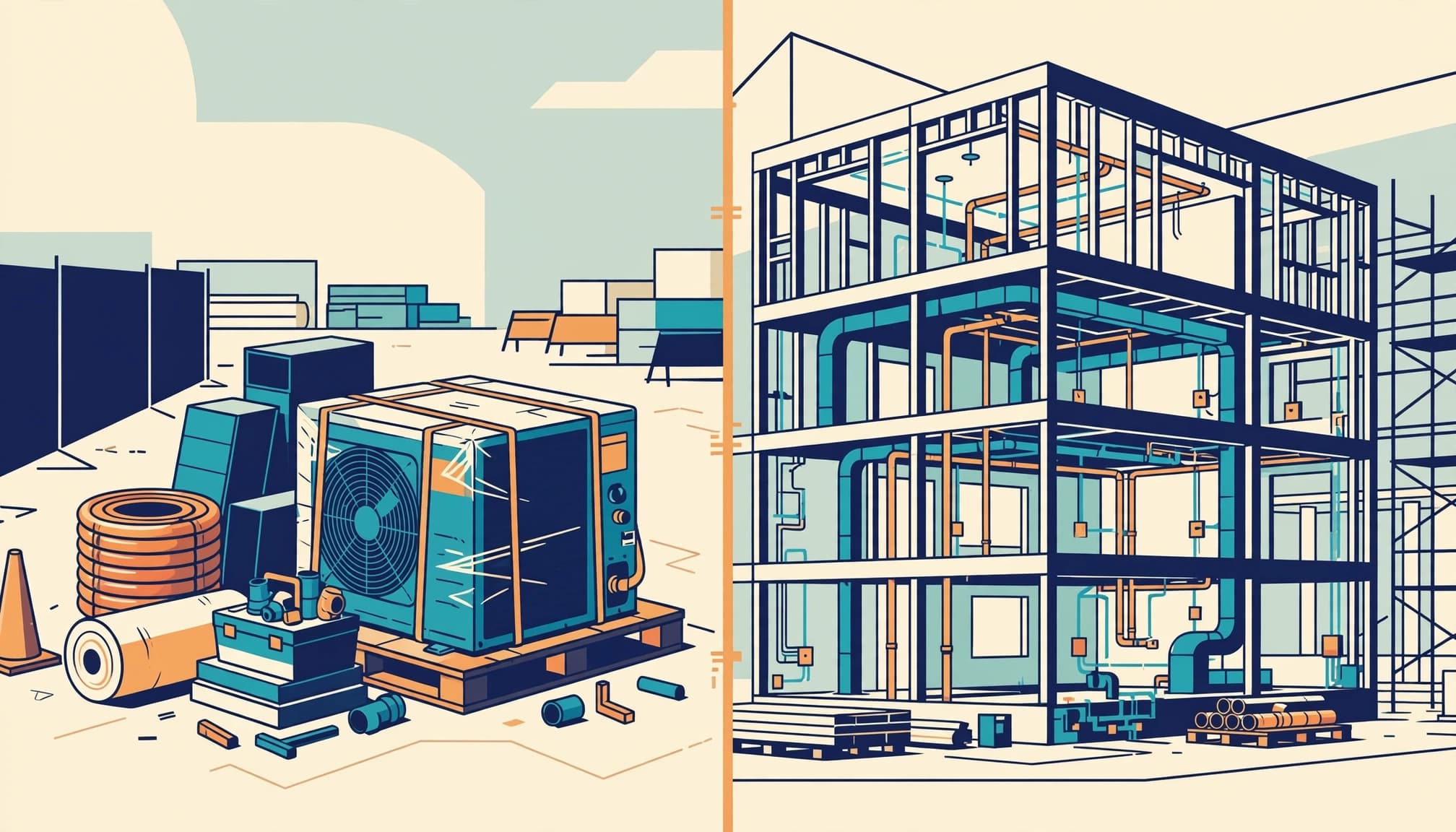
Trade contractors and subcontractors commonly buy an installation floater to protect their materials across deliveries, storage locations, and active jobs.
The installation floater vs builders risk comparison comes down to scope: each trade may insure its own installation property, while a general contractor or owner may maintain project-wide protection for the construction project.
Zurich's builder's risk coverage generally protects the broader project during construction, until completion, occupancy, or another policy-defined ending event.
How Both Policies Work Together
The policies can coexist. A subcontractor may insure its own installation property while the owner maintains project-wide protection.
Limits, covered interests, transit and storage terms, and deductibles determine how insurers handle a covered loss.
Project-wide property protection can bridge construction and permanent property insurance. Homeowners policies may not protect major renovations or vacant construction sites.
A construction-law discussion of first-party coverage explains the property-insurance side of construction losses. Liability insurance addresses a different exposure and remains separate.
Set Limits Around Your Installation Floater Coverage
Set limits based on eligible property values, peak values, locations, and project stages. Recheck values as materials move between locations or project stages. Compare the limit with your business personal property coverage to spot gaps.
For example, an electrical contractor has $60,000 of switchgear damaged before installation. In a simplified example, a $50,000 applicable limit and a $5,000 deductible could leave $15,000 out of pocket. Actual payment depends on the policy terms.
Limits and deductibles may differ for transit, storage, or individual locations. Review which materials are covered and what the policy leaves out with an insurance professional.
Frequently Asked Questions
What does an installation floater cover?
It covers eligible materials intended for permanent installation against covered physical loss or damage. Depending on the policy, protection may apply during transit, temporary storage, delivery, and installation.
When does installation floater coverage start and end?
The policy's stated terms control when coverage starts, often when eligible property leaves your shop or supplier. Coverage may end at permanent installation, completion, intended use, acceptance, or another event named in the policy.
Does an installation floater cover tools and equipment?
Materials that become part of a project may qualify, but reusable tools and contractor-owned machinery generally need separate coverage. A policy covering the unit you're installing doesn't automatically cover the equipment you use to install it.
How is an installation floater different from builder's risk?
An installation floater commonly protects a trade contractor's materials across deliveries, storage locations, and active jobs. Builder's risk generally protects the broader construction project, and the two policies can coexist.