Understanding Surety Bond: Essential Insights for Your Business
Introduction to Surety Bonds for Contractors
If you’re a licensed contractor in California—whether you’re a general contractor, electrician, plumber, HVAC specialist, or concrete worker—you’ve likely encountered the term “surety bond” at some point in your career. Maybe it was when you first applied for your CSLB license, or perhaps when preparing to bid on a public works project. Either way, understanding how surety bonds work isn’t just helpful—it’s essential for keeping your license active and winning the jobs that grow your business.
A surety bond is a three party agreement that guarantees you’ll fulfill your obligations to another party. The surety acts as a guarantor for the obligations of one party (the principal) to protect the interests of the third party (the obligee). Think of it as a promise backed by a financial guarantee. The three parties involved are you (the principal and second party responsible for fulfilling the contractual commitments), the entity requiring the bond like the CSLB or a project owner (the obligee), and the surety company that provides the financial backing. Most contractors first encounter surety bonds as contractor license bonds—the $25,000 bond currently required by the Contractors State License Board to maintain an active California license. Surety bonds protect consumers, project owners, and government entities from fraud, negligence, or unfinished work.
BudgetBonds is an online and phone-based surety and insurance agency built specifically for contractors. We help California contractors get bonded and insured quickly, often with same-day approvals and electronic filing directly with the CSLB. This guide focuses on practical, jobsite-ready information: what bonds are, when you need them, how much they cost, and how to get one fast. Later in this article, we’ll cover specific bond types including contractor license bonds, disciplinary bonds, and how bundling with general liability and workers’ compensation can save you time and money.
What Is a Surety Bond?
A surety bond is a written three party agreement where a surety guarantees that you, the contractor, will meet specific obligations to an obligee. Unlike a typical two-party contract, this arrangement involves three distinct parties working together to ensure promises are kept and financial obligations are met.
Here’s who’s involved in every surety bond:
The Principal is you—the contractor who purchases the bond and makes the promise to perform. You’re responsible for fulfilling the obligations the bond guarantees.
The Obligee is the party requiring the bond. This could be the California CSLB for license bonds, a city building department for permit bonds, or a project owner for contract bonds. The obligee is protected if you fail to meet your obligations.
The Surety is the bond company (typically an insurance company with a surety division) that backs your promise with financial protection. If you fail to perform, the surety steps in to make the obligee whole—up to the bond amount.
Here’s the critical distinction that separates surety bonds from insurance: if a valid claim is paid on your surety bond due to the principal's failure to fulfill contractual obligations, you must repay the surety company. This happens through an indemnity agreement you sign when the bond is issued. In these cases, the surety provides a guarantee payment to the obligee, ensuring they are compensated for losses resulting from the principal's failure. Surety bonds function more like a line of credit than traditional insurance, where the insurer absorbs losses without seeking repayment.
Consider these real-world examples relevant to California contractors:
A licensed contractor in Fresno maintains a $25,000 CSLB contractor license bond. If a homeowner files a valid claim for project abandonment, the surety investigates and pays the claim—then pursues the contractor for reimbursement.
A general contractor bidding a public school renovation in Los Angeles County must provide a performance bond guaranteeing project completion. The surety assures the school district that work will be finished even if the contractor defaults.
A plumbing company working on a city of San Diego street improvement project needs a payment bond protecting subcontractors and material suppliers from non-payment.
Surety bonds are typically required by law or contract—they’re not optional. Non-compliance can mean license suspension, bid rejection, or loss of a project entirely. The CSLB can suspend your license under Business and Professions Code §7071.10 if your bond lapses or is cancelled.
Surety bonds are used across many industries to guarantee performance and ensure legal compliance, and resources like our BudgetBonds blog with contractor bond and insurance insights can help you stay current on best practices.
How Surety Bonds Work in Construction
Understanding how surety bonds function in everyday contractor scenarios helps you navigate requirements without surprises. Whether you’re bidding work, signing a construction contract, or simply keeping your California license in good standing, surety bonds provide the financial protection that obligees and project owners require, and understanding your contractor surety bonding needs in California is essential as your projects grow in size and complexity. Surety bonds also help lower risk for project owners and lenders by providing a financial guarantee that obligations will be met.
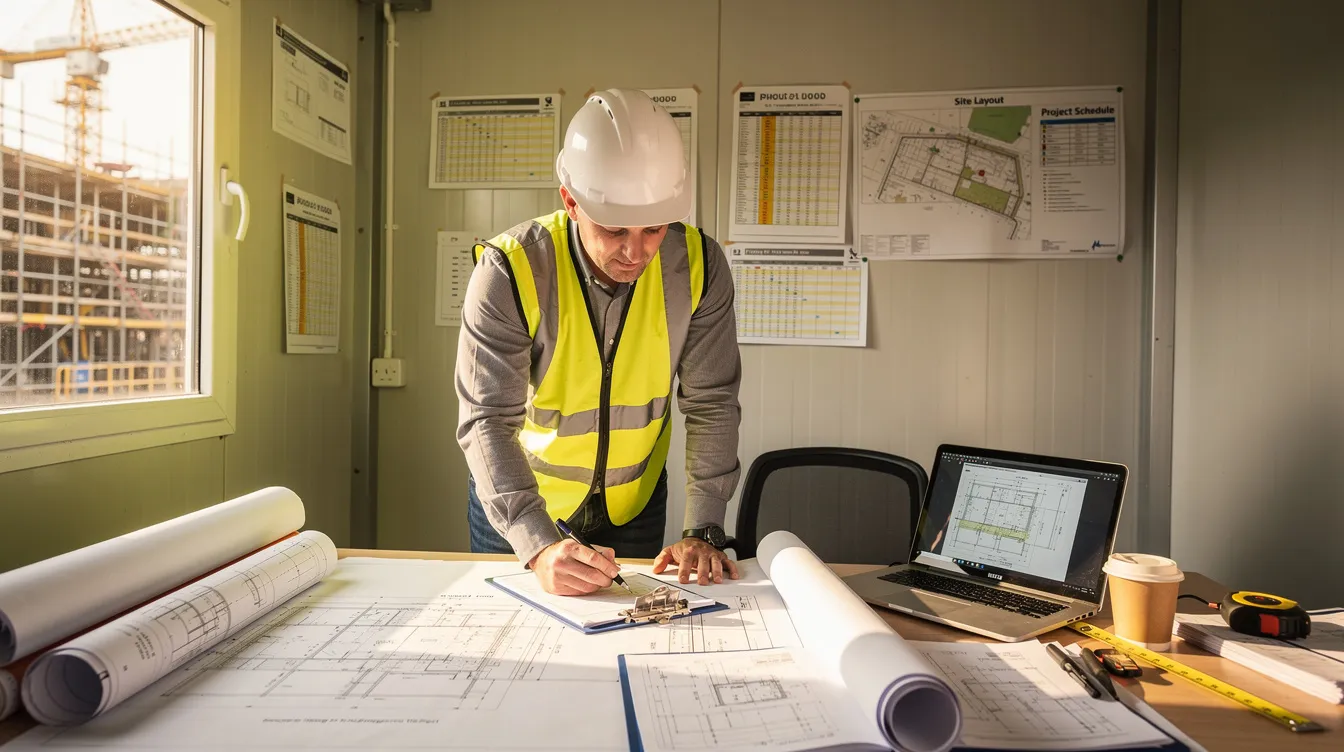
The lifecycle of a surety bond follows a predictable pattern. First, you’re told a bond is required—either by the CSLB for licensing, by bid documents for a public project, or by a private owner’s contract terms. You then contact a surety bond producer like BudgetBonds and complete a short application. For contractor license bonds and smaller bonds, this process takes about 10-15 minutes. The surety evaluates your risk profile, primarily through a credit check, though larger contract bonds may require financial statements and project history. Once approved, the bond is issued and filed with the appropriate government agency or delivered to the project owner.
When a claim is filed, the process unfolds systematically. The obligee—perhaps a homeowner, the CSLB, or a subcontractor—alleges that the principal fails to meet their obligations. The surety then investigates the claim, typically within 30-60 days. If the claim is valid, the surety pays the obligee up to the full bond amount (called the penal sum). After payment, the surety pursues full reimbursement from the contractor under the indemnity agreement signed at bond issuance.
The bond amount represents a maximum limit, not a savings account. A $25,000 California contractor license bond means the surety will pay up to $25,000 in valid claims during the bond term. A performance bond on a $250,000 contract would have a penal sum of $250,000, ensuring the project owner can complete the work if the contractor defaults.
Claims can significantly impact a contractor’s future. Beyond the immediate financial loss, claim payments often lead to difficulty obtaining future bonds, higher premiums on renewals, potential CSLB license suspension, and possible legal action if you can’t reimburse the surety. This is why the surety industry carefully underwrites each bond—they’re betting that you’ll perform as promised.
Types of Surety Bonds Contractors Commonly Need
Surety bonds fall into two broad categories: contract surety bonds that guarantee specific project execution, and commercial surety bonds that ensure regulatory compliance. Commercial surety bonds cover a broad range of bond types beyond contract bonds, addressing diverse needs within the surety bond industry. California contractors typically encounter several specific bond types depending on their work and licensing status, and many of these are covered by our California contractor bond services with fast quotes.
The bonds contractors most frequently need include:
Contractor License Bonds – Required by CSLB for all active California contractor licenses. Currently set at $25,000 (effective January 2023), this bond protects consumers and employees from contractor law violations.
Disciplinary Bonds – Required when CSLB reinstates a revoked or suspended license. These bonds can be 2-10 times the standard amount, with minimums around $50,000.
Bid Bonds – Required when bidding public projects, typically 5-10% of the bid amount. Guarantees you’ll honor your bid and provide required bonds if awarded.
Performance Bonds – Guarantees project completion per plans and specifications. Usually 100% of contract price on public works.
Payment Bonds – Guarantees payment to subcontractors and suppliers. Typically required alongside performance bonds on public projects.
Permit Bonds – Various license and permit bonds required by cities and counties, such as encroachment bonds, grading bonds, or demolition bonds.
Contract surety bonds include bid bonds, performance bonds, payment bonds, and maintenance bonds—all tied to specific construction projects, and California law also imposes specific contractor bond cost, renewal, and CSLB rules that contractors must follow. Commercial surety bonds include license bonds, permit bonds, disciplinary bonds, public official bonds, court bonds, and miscellaneous bonds required for regulatory compliance rather than individual contracts.
Court bonds are a category of surety bonds required for legal proceedings. These include judicial bonds, which arise from litigation and guarantee compliance with court orders (such as appeal, injunction, and bail bonds), and fiduciary bonds, which are required in probate or equitable courts to ensure that administrators, guardians, or trustees faithfully perform their duties when managing others' property. Public official bonds guarantee the honesty and faithful performance of public officials, such as judges, clerks, and law enforcement officers, who hold positions of public trust.
Miscellaneous bonds do not fit into other categories and often support unique business needs, such as lost securities bonds and hazardous waste removal bonds.
For detailed information on CSLB requirements, jump to our section on contractor license bonds. If you’re dealing with a license revocation or suspension, see our disciplinary bonds guidance.
Contract Surety Bonds (Bid, Performance & Payment)
Contract surety bonds guarantee different parts of a construction contract and are usually required on public works projects and some larger private contracts. These bonds protect project owners from financial loss if a contractor fails to deliver on their promises.
Bid bonds come into play when you submit bids on public projects. For example, if you’re bidding a city of Sacramento park renovation valued over $150,000, the bid documents will likely require a bid bond equal to 5-10% of your bid amount. This bond guarantees two things: that you’ll honor your bid if selected, and that you’ll provide the required performance and payment bonds upon contract award. Bid bonds ensure a bidder will take the job if awarded a contract. If you win the bid but refuse to sign the contract or provide bonds, the obligee can claim against your bid bond for the difference between your bid and the next lowest bidder.
Performance bonds guarantee completion of the work according to plans, specifications, and contract terms. Performance bonds guarantee the contractor finishes the project according to terms. The federal government requires performance bonds on federal construction projects over $150,000 under the Miller Act (40 U.S.C. §3131). California’s “Little Miller Act” creates similar requirements for state and local public works. Performance bonds are typically issued at 100% of the contract price, meaning if you default on a $500,000 project, the surety can pay up to $500,000 to ensure the project gets finished—either by hiring another contractor or compensating the owner for damages.
Payment bonds protect subcontractors and suppliers by ensuring they get paid for labor and materials. Payment bonds ensure that subcontractors and suppliers are paid. On public projects where contractors can’t place liens on public property, payment bonds provide the financial protection that ensures the supply chain gets compensated. Payment bonds are typically required alongside performance bonds, both at 100% of contract value.
Supply bonds are another type of contract bond, guaranteeing the delivery of materials or services essential for a construction project. These are often required by federal or private contracts to ensure timely delivery and performance.
Consider this scenario: A general contractor in Orange County wins a $1.2M school modernization project. As a condition of award, the school district requires a performance bond and a payment bond, each for $1.2M. The contractor contacts BudgetBonds, provides financial statements and project history, and secures both bonds with a combined premium of approximately $24,000 (at 2% rate). Now the district has assurance that the project will be completed and all subs and suppliers will be paid.

BudgetBonds can arrange fast, affordable contract surety bonds and insurance solutions for qualified contractors. Having strong financials, relevant experience, and a clean project history improves your approval chances and helps secure better pricing. Contractors with a track record on similar-sized projects and debt-to-equity ratios under 3:1 typically qualify for the most competitive rates.
Commercial Surety Bonds Relevant to Contractors
Commercial surety bonds guarantee compliance with laws, regulations, or municipal ordinances rather than the performance of a specific construction contract. For contractors, these bonds ensure you’re meeting licensing requirements and operating within legal boundaries.
Contractor license bonds are the primary commercial bond California contractors need. The CSLB requires this bond to protect consumers, employees, and the state from financial harm caused by contractor law violations. When a homeowner suffers a financial loss due to fraud, project abandonment, or code violations by a licensed contractor, they can file a claim against the contractor’s license bond. The bond provides financial protection up to its penal sum, currently $25,000 for most contractor classifications.
Disciplinary bonds enter the picture when the CSLB requires a higher bond amount as a condition of license reinstatement. If your license was revoked due to serious violations, unpaid judgments, or excessive claims against your standard bond, CSLB may require a disciplinary bond of $50,000 to $100,000 or more before you can work again. These bonds carry stricter underwriting requirements and higher premiums.
Other commercial surety bonds that may affect contractors include city or county permit bonds. A San Diego encroachment bond ($10,000-$50,000 range) might be required for work in the public right-of-way. A grading bond in Los Angeles County (often $30,000+) could be necessary for earthwork projects. These bonds protect municipal governments from costs associated with restoring public property if a contractor fails to complete permitted work properly. Permit bonds may also be required to ensure compliance with municipal ordinances set by local governments.
While commercial surety bonds don’t guarantee a specific construction project, they’re equally important for maintaining your ability to work legally, especially when it comes to mandatory California contractor license bonds and how they work. A lapsed license bond means a suspended license—and no legal way to contract for work in California.
Business service bonds, a type of commercial surety bond, are often used in industries such as health care and janitorial services to protect clients when service providers enter homes or businesses.
Contractor License Bonds in California
Every active licensed contractor in California must file a contractor license bond with the CSLB, and staying updated on California contractor license bond requirements for 2025 helps you avoid compliance surprises. The current required bond amount is $25,000, effective January 1, 2023 (increased from the previous $15,000 requirement). Certain business structures may require additional bonds—for example, LLCs operating as contractors must also file a $100,000 LLC employee/worker bond.
The state requires this bond to protect homeowners, consumers, and employees when a contractor violates the Contractors License Law or fails to pay certain financial obligations. Without this protection, consumers would have no recourse beyond expensive civil litigation when contractors abandon projects, commit fraud, or fail to pay required wages.
The contractor license bond covers several types of claims:
Covered Claims
Examples
Consumer damages
Fraud, misrepresentation, abandonment
Code violations
Work not meeting building code requirements
Unpaid wages
Failure to pay employees per state labor laws
Contract violations
Failure to perform contracted work
This bond is not insurance for you as the contractor—it’s financial protection for the public. If the CSLB or a consumer files a valid claim and the surety pays out, you must reimburse the surety company under your indemnity agreement. Many contractors don’t realize this distinction until after a claim impacts their finances and future bonding ability.
BudgetBonds handles electronic filing directly with the CSLB, so you don’t have to mail in your bond or wait for processing. Same-day issuance is often available for contractor license bonds, helping you get licensed faster or maintain continuous coverage without gaps. Visit our contractor license bond page for current pricing and instant quotes.
If you’ve experienced license discipline, revocation, or serious violations, you may need a disciplinary bond. Review the section below for guidance on high-risk bonding situations.
Disciplinary Bonds and High-Risk Situations
A disciplinary bond is a special, higher-amount bond required by the CSLB when a contractor’s license has been revoked, suspended, or subjected to serious disciplinary action. This bond gives the CSLB additional financial protection before allowing a contractor to resume work, reflecting the higher risk profile of contractors with compliance issues.
Disciplinary bonds can be significantly larger than standard license bonds. The CSLB typically requires bonds ranging from $50,000 to $100,000 or more—often 2-10 times the normal amount depending on the severity of violations. The specific amount is determined by the CSLB based on factors including the nature of violations, number of claims, and outstanding judgments.
Common reasons the CSLB requires a disciplinary bond include:
Unpaid judgments against the contractor
Serious workmanship complaints resulting in consumer harm
Willful violations of the Contractors License Law
Prior bond cancellations due to excessive claims
Exhaustion of the previous bond’s penal sum
Fraud or misrepresentation in contractor work
Underwriting for disciplinary bonds is considerably stricter than for standard license bonds. The surety company will scrutinize your personal credit, require personal and business financial statements, review your complete claims history, and want documentation showing how you’ve corrected past issues. Sureties need assurance that you’ve addressed the problems that led to discipline and have the financial strength to reimburse any future claims.
BudgetBonds works with contractors in these high-risk situations to find surety markets willing to consider disciplinary bonds. We can advise on documentation that improves your approval chances, such as evidence of resolved liens, letters explaining circumstances, and financial statements showing improved stability. Reinstatement is possible with the right plan and bonding partner—many contractors have successfully returned to good standing after license issues.
Surety Bonds vs. Insurance: What Contractors Need to Know
Many contractors confuse surety bonds with insurance because both are often sold by the same agencies and both provide financial protection. However, they work very differently, and understanding the key differences helps you make informed decisions about your coverage needs.
Insurance is a two-party agreement between you and the insurance company. When a covered loss occurs—like a jobsite accident causing property damage—the insurer pays the claim and absorbs that cost. You don’t have to repay the insurance company for claims they pay on your behalf (though your premiums may increase at renewal).
A surety bond creates a three party agreement. The surety backs your promise to the obligee, but if the principal defaults and a claim is paid, you must reimburse the surety. The surety hasn’t absorbed a loss—they’ve advanced money that you owe them under your indemnity agreement. By reducing the lender’s risk, surety bonds can also help contractors qualify for lower interest rates on loans or credit lines, since lenders have greater assurance of repayment.
Feature
Insurance
Surety Bond
Parties
Two (insured + insurer)
Three (principal + obligee + surety)
Purpose
Protect contractor from losses
Guarantee performance to obligee
After claim payment
Insurer absorbs loss
Contractor reimburses surety
Pricing based on
Payroll, exposure, loss history
Credit, financials, experience
Examples
General liability, workers’ comp
License bonds, performance bonds
Here’s a concrete example: Your employee accidentally backs a work truck into a client’s fence, causing $8,000 in damage. Your general liability insurance pays the claim—you don’t repay the insurer (though you may have a deductible). But if a homeowner files a complaint with CSLB because you abandoned their kitchen remodel, and the surety pays a $15,000 claim on your license bond, you owe the surety that $15,000 back.
Surety bonds provide assurance that you’ll meet your obligations—whether completing a construction contract or following contractor licensing laws. Insurance protects your business from accidents, injuries, and lawsuits arising from your operations. Both are essential, but they serve different purposes.
BudgetBonds helps contractors bundle required bonds with core insurance coverages: general liability, workers’ compensation, and commercial auto, and a broader California contractor insurance program for compliance and protection can tie all of these together under one risk-management plan. Bundling often saves money compared with purchasing each product separately and simplifies your compliance management.
How Much Do Surety Bonds Cost for Contractors?
Here’s what many contractors don’t realize: you pay only an annual premium for your surety bond, not the full bond amount. If you need a $25,000 CSLB license bond, you’re not depositing $25,000 with the state. Instead, you pay the surety company a premium—typically a small percentage of the bond amount—and they guarantee your obligations up to that $25,000.
For contractor license bonds with good credit and clean history, annual premiums typically range from $100-$300. Contractors with fair credit (650-700 FICO) might pay $300-$500. Those with poor credit or significant claims history could pay $500-$1,000 or more, and may need to provide collateral.
Disciplinary bonds carry higher premiums due to increased risk. Expect to pay $500-$5,000 or more annually, depending on the bond amount and your specific circumstances.
For contract bonds (bid, performance, and payment), premiums typically fall in the 1-3% range of the bond amount for qualified contractors. A performance bond on a $500,000 project might cost $7,500-$15,000. Minimum premiums of $250-$500 often apply to smaller bonds.
Key factors affecting your bond cost:
Factor
Impact on Premium
Personal credit score
40% weight; 720+ gets best rates
Business financials
30% weight; debt-to-equity under 3:1 preferred
Experience
20% weight; 3+ years helps significantly
Claims history
10% weight; clean record is best
Bond type
License bonds cheaper than disciplinary or contract
Each state and obligee sets its own bond requirements and amounts, so the exact premium is always quote-specific. California CSLB requires $25,000; a city might require $50,000 for an encroachment bond; a federal project might require performance bonds at 100% of contract value.
BudgetBonds provides fast, no-obligation quotes online or by phone through our contractor bonds and insurance services. We shop multiple surety markets to find competitive pricing for California contractors, whether you need a straightforward license bond or complex contract surety bonds for larger projects.
Improving Your Bond Pricing and Approval Chances
Whether you’re a startup contractor or an established firm seeking better rates, these practical strategies can improve your bond pricing and approval chances.
Keep your credit strong. Personal credit scores drive pricing for most contractor bonds. A FICO score above 700 typically qualifies you for standard rates, while 720+ opens doors to the best pricing. Pay down revolving debt, make payments on time, and review your credit report for errors.
Resolve outstanding issues. Unpaid judgments, tax liens, and unresolved CSLB complaints create underwriting red flags. Address these proactively before applying for bonds. Document resolutions and be prepared to explain any past issues.
Maintain organized financial records. For larger contract bonds, sureties want to see clean financial statements, tax returns, and work-in-progress schedules. Working with a CPA familiar with construction accounting helps present your financials favorably.
Stay claim-free. Every claim paid on your bond makes future bonding harder and more expensive. Complete your projects, pay your subs, and resolve disputes before they become CSLB complaints.
Build your track record gradually. If you’re a newer contractor or expanding into larger projects, start with smaller bonded jobs and build a successful track record. Sureties gain confidence when they see you’ve completed similar work without issues.
Start bond discussions early. If you’re planning to bid larger public jobs—especially over $500,000—contact BudgetBonds before the bid deadline. Last-minute bond requests face 10-15% higher denial rates because there’s no time for additional underwriting if issues arise.
Younger or smaller contractors can still qualify for bonds but may need to provide personal indemnity and additional documentation like resumes, bank statements, and project lists, and following an ultimate checklist for starting a contractor business can make that preparation easier. Bundling your surety needs with general liability and workers’ comp through BudgetBonds can also help present a more complete risk profile to underwriters.
How to Apply for a Surety Bond with BudgetBonds
For most contractor license bonds and smaller contract bonds, the application process is quick and can often be completed fully online or by phone in under 15-20 minutes. BudgetBonds has streamlined the process specifically for California contractors who need to get bonded fast.

Information you’ll typically need:
Legal business name (and DBA if applicable)
California contractor license number
Bond type and amount required
Obligee name (e.g., “Contractors State License Board,” “City of Los Angeles,” “Caltrans”)
Contact information
Consent for a credit check (for most bonds)
The BudgetBonds process:
Request a quote – Visit our website or call our contractor bond specialists. Provide basic information about your bond needs.
Receive pricing options – We’ll present competitive quotes based on your profile. For standard license bonds with good credit, you’ll often see instant pricing.
Choose your terms – Select annual or multi-year options where available.
Sign documents – Complete the indemnity agreement and bond authorization electronically.
Pay premium – Secure payment via credit card, ACH, or check.
Bond issued and filed – BudgetBonds issues your bond and files electronically with the CSLB (or delivers to other obligees). You receive digital copies immediately.
For larger contract bonds (performance and payment over $100,000) or disciplinary bonds, additional documents may be requested. These typically include personal and business financial statements, work-in-progress schedules, recent tax returns, bank statements, and project history with references.
BudgetBonds offers fast quotes, same-day or instant issuance on many license bonds, electronic delivery of all documents, and direct filing with the CSLB where permitted, and our team is easy to reach through our Irvine contractor bonds and insurance contact page when you have questions. Check out our dedicated pages on contractor license bonds, disciplinary bonds, and contractor insurance packages to find exactly what you need.
State and Local Requirements Contractors Should Check
Bond requirements vary not only by state but also by city, county, and specific public agencies. What works for a CSLB license bond won’t necessarily match what Los Angeles County requires for a public works project or what San Diego needs for a right-of-way permit.
Before requesting any bond, confirm these details from your bid documents or licensing notice:
Exact bond type (performance, payment, license, permit, etc.)
Required bond amount (penal sum)
Precise obligee name and address (often specific wording is required)
Any special conditions or endorsements
Effective dates required
Getting obligee details wrong is a common reason bonds get rejected. A bid bond naming “City of San Jose” when the documents require “City of San Jose, Department of Public Works” can cause unnecessary delays.
BudgetBonds can help interpret typical requirements for California contractors, including CSLB license bonds, city right-of-way bonds, and bonds referenced in public bid specifications. Our specialists handle bonds for projects throughout California’s 58 counties and understand local variations.
A practical tip: Create a digital folder with standard obligee details and copies of past bond forms. When you need similar bonds for repeat clients or agencies, you’ll have the correct information ready—speeding up the process and reducing errors.
Bundling Bonds with Contractor Insurance (Liability, Workers’ Comp & Auto)
Many public and private owners require more than just bonds. To bid on most commercial and public projects, you’ll need proof of general liability, workers’ compensation, and often commercial auto coverage alongside your surety bonds.
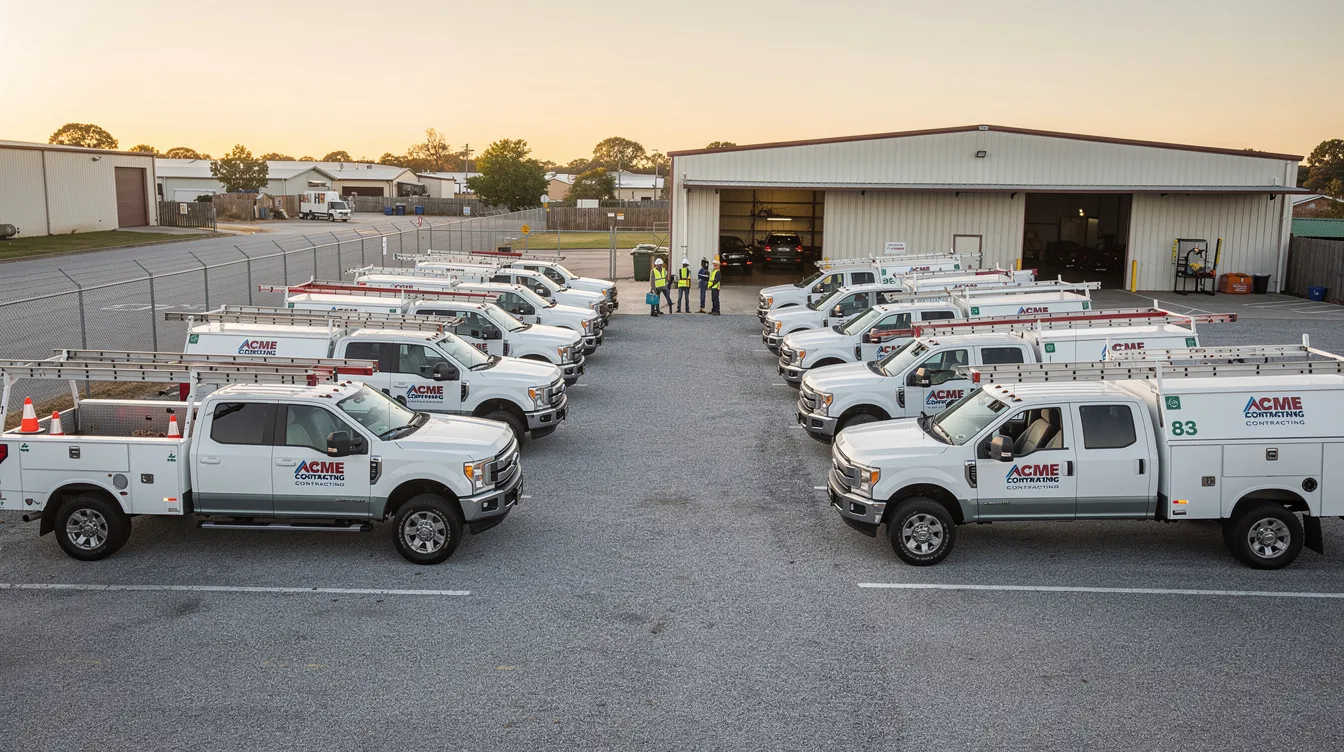
Here’s what each coverage provides, starting with general liability insurance tailored for California contractors:
General Liability Insurance covers third-party bodily injury and property damage arising from your operations, and many builders also need to understand builder’s risk versus general liability coverage when protecting ground-up or major renovation projects. If a visitor trips over your equipment at a jobsite or your work causes water damage to adjacent property, general liability responds.
Workers’ Compensation Insurance is required by California law for virtually all employers, and choosing the right workers’ compensation insurance for contractors in 2025 can significantly impact your costs and compliance. It covers medical expenses and lost wages when employees are injured on the job, protecting both workers and employers from the financial risk of workplace injuries.
Commercial Auto Insurance covers vehicles used in your business. Your personal auto policy typically excludes business use, so work trucks, vans, and company cars need commercial coverage.
BudgetBonds specializes in contractor-focused insurance and can bundle these policies with your license bonds and contract bonds. This simplifies renewals and certificates while potentially reducing your overall costs.
Benefits of bundling through BudgetBonds:
Benefit
How It Helps
Potential premium savings
Package discounts of 10-20% on combined products
Fewer renewal dates
One agency tracking multiple policies reduces missed renewals
Faster certificates
Quick turnaround for COIs needed in bid packages
Single point of contact
One agency that understands contractor compliance needs
Consider these scenarios where bundling makes sense:
A small electrical contractor in San Jose is starting a new business. He needs a CSLB license bond ($25,000), general liability ($1M per occurrence), and workers’ comp for his first employee. BudgetBonds quotes all three together, helping him launch with complete coverage from day one.
A mid-size concrete contractor in Riverside is bidding city infrastructure work. She needs performance and payment bonds for a $750,000 project, plus certificates showing workers’ comp and commercial auto coverage meeting the city’s requirements. BudgetBonds handles the contract bonds and coordinates insurance certificates, getting her bid package complete without chasing multiple agencies.
Why Contractors Choose BudgetBonds
BudgetBonds focuses on small businesses to medium-sized contractors who understand that jobsite timelines and CSLB regulatory deadlines don’t wait, so our fast, affordable contractor bonds and insurance solutions are built around real-world construction schedules. Whether you need a license bond today or contract surety bonds for a project bidding next week, we’re built to move at the speed your business requires.
What sets BudgetBonds apart:
Quick quotes – Online or phone quotes in minutes, not days
Competitive pricing – Multiple surety markets means better rates for California contractors
Contractor expertise – We understand CSLB requirements, public works bonding, and construction industry needs
Electronic filing – Direct CSLB filing eliminates mail delays
Full-service – License bonds, disciplinary bonds, contract bonds, and insurance all in one place
As a contractor-focused surety bond producer, BudgetBonds coordinates renewals for your bonds, general liability, workers’ comp, and commercial auto—keeping you compliant year-round without juggling multiple agencies and renewal dates. We work with recognized surety carriers and markets that understand construction, not generic consumer lines that don’t know a performance bond from an insurance policy.
Whether you’re facing a straightforward license renewal or navigating the challenges of a disciplinary bond after license issues, BudgetBonds has the market relationships and contractor expertise to find solutions. Surety bonds provide the guarantee that project owners and the CSLB require—and we make getting those bonds as simple as possible, including helping you manage certificates of insurance for contractors alongside your bond requirements.
Ready to get bonded?
Request a free quote online
Call our contractor bond specialists at [phone number]
Learn more about contractor license bonds, disciplinary bonds, or contractor insurance packages
Getting bonded doesn’t have to be complicated when you work with an agency that understands California contractors, whether you’re a larger firm or need handyman liability insurance and bonding in California to protect a smaller operation. Contact BudgetBonds today and experience the difference a contractor-focused bonding partner makes.
Benefits of Surety Bonds in the Construction Industry
Surety bonds are a cornerstone of trust and reliability in the construction industry. When a contractor secures a surety bond, it’s more than just a regulatory requirement—it’s a powerful tool that protects all parties involved in construction projects. A surety bond protects project owners by guaranteeing that the contractor (the principal) will fulfill their contractual obligations, whether that means completing the work on time, paying subcontractors and suppliers, or meeting all project specifications.
Contract surety bonds—such as bid bonds, performance bonds, and payment bonds—are especially vital in construction. These bonds provide a financial guarantee that the contractor will honor their commitments. For example, a bid bond assures the project owner that the contractor’s bid is serious and that they will enter into the contract if selected. A performance bond guarantees that the contractor will complete the project as agreed, while a payment bond ensures that everyone supplying labor and materials gets paid.
By requiring contract surety bonds, project owners can confidently move forward with construction projects, knowing they are protected from the financial risks associated with contractor default or non-performance. This assurance helps keep projects on schedule and within budget, reduces disputes, and fosters a more stable and trustworthy construction environment. For contractors, having the right surety bond in place not only opens doors to more opportunities but also demonstrates professionalism and reliability to clients and partners, especially when paired with the right business structure choice such as sole proprietor vs LLC for your contracting company.
Role of Government Agency in Surety Bonds
Government agencies—ranging from local municipal governments to federal entities—play a pivotal role in the surety bond process. When a government agency acts as the obligee, it requires contractors to obtain surety bonds as a condition for participating in public construction projects or fulfilling other contractual obligations. This requirement is designed to ensure that taxpayer dollars are protected and that public projects are completed according to contract terms.
Surety bond protects the government agency by providing a financial backstop if the contractor (principal) fails to meet their obligations. For example, if a contractor defaults on a public works project, the surety company steps in to guarantee performance or payment, ensuring the project is completed and all parties are compensated as required. This is especially important for municipal governments and federal agencies managing large-scale construction projects, where the stakes—and the potential for financial loss—are high.
Depending on the nature of the project or contract, government agencies may require different types of surety bonds. Contract surety bonds (such as bid, performance, and payment bonds) are common for construction projects, while commercial surety bonds and fidelity bonds may be required for other types of contracts or regulatory compliance. By mandating these bonds, government agencies help maintain accountability, reduce financial risk, and ensure that only qualified, reliable contractors are entrusted with public funds and responsibilities.
Surety Bond Claims Process
When a contractor fails to meet their contractual obligations, the surety bond claims process provides a structured way to resolve the issue and protect the interests of the obligee. Here’s how it works: If the project owner or obligee believes the contractor (principal) has defaulted—whether by not completing the work, failing to pay suppliers, or violating contract terms—they can file a claim against the surety bond.
The surety company then steps in to investigate the claim. This involves reviewing the contract, gathering evidence, and determining whether the claim is valid and falls within the scope of the bond. If the surety company finds the claim to be legitimate, it will pay the obligee up to the bond amount specified in the agreement. This payment ensures that the project owner or affected parties are compensated for their losses.
However, unlike traditional insurance, the contractor is ultimately responsible for reimbursing the surety company for any amounts paid out. This is enforced through the indemnity agreement signed when the bond was issued. The claims process not only provides a safety net for project owners but also holds contractors accountable for their actions, reinforcing the importance of fulfilling all contractual and financial obligations. For contractors, understanding the claims process is essential to maintaining a good reputation and continued access to surety bonds for future projects, and even aspiring handymen should learn how this fits into California’s handyman license rules and $500 limit as they grow toward full licensure.